


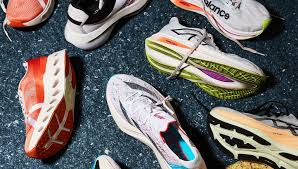
Disqualifications are being seen more frequently at professional and collegiate track meets. Though it is not due to false starts or dropped batons, but the runners shoe. Many world-renowned brands including Nike, Oncloud, Adidas, New Balance, and more have been making and selling these illegal shoes or finding a way to just reach the limit of legalness.
A runners track spike or race show is a vital factor in a runners performance. The level of bounce, stability, and the weight of the show can put a major impact on the race outcome. These bans consist of sole thickness and carbon plates within the shoe. Officials believe that depending on the shoe, athletes could potentially have an unfair advantage. This being the main reason for the ban of many race day foot wears. The technology built into the shoe has been linked and proven to give runners faster times, more energy return, and record breaking performances. Some of these illegal shoes include, Nike Alphafly, Adidas Adizero Prime X , New Balance SuperComp Trainer, and many more. Taking this technology away makes the competition about the athletes and not just the shoe.
The bounce and the weight, which can be controlled by the carbon fiber plates within the shoe or spike, can determine an athlete’s race. For instance, sprinters need the lightest spike in the market to allow faster reaction time off the ground without dragging their feet. On the other hand, distance runners need thicker soles on their shoes to prevent having dead feet in the middle of their race. Companies have realized these two key aspects within running and have incorporated these factors into their shoes for better and higher sales. This has led to the companies using various technologies on their shoes, ultimately improving the shoe, but making them race illegal. These bans have been issued by organizations including World Athletics and the NCAA. Before each race days, runners are to provide their race shoe for inspection before the competition. The end goal of these bans is to control how much technology can influence a runner’s potential.
Overall, these bans force equality and challenge fairness and innovation. But as technology advances, shoes will continue to evolve and rules will continue to develop. As a result, more bans on running shoes will spring up every season.